

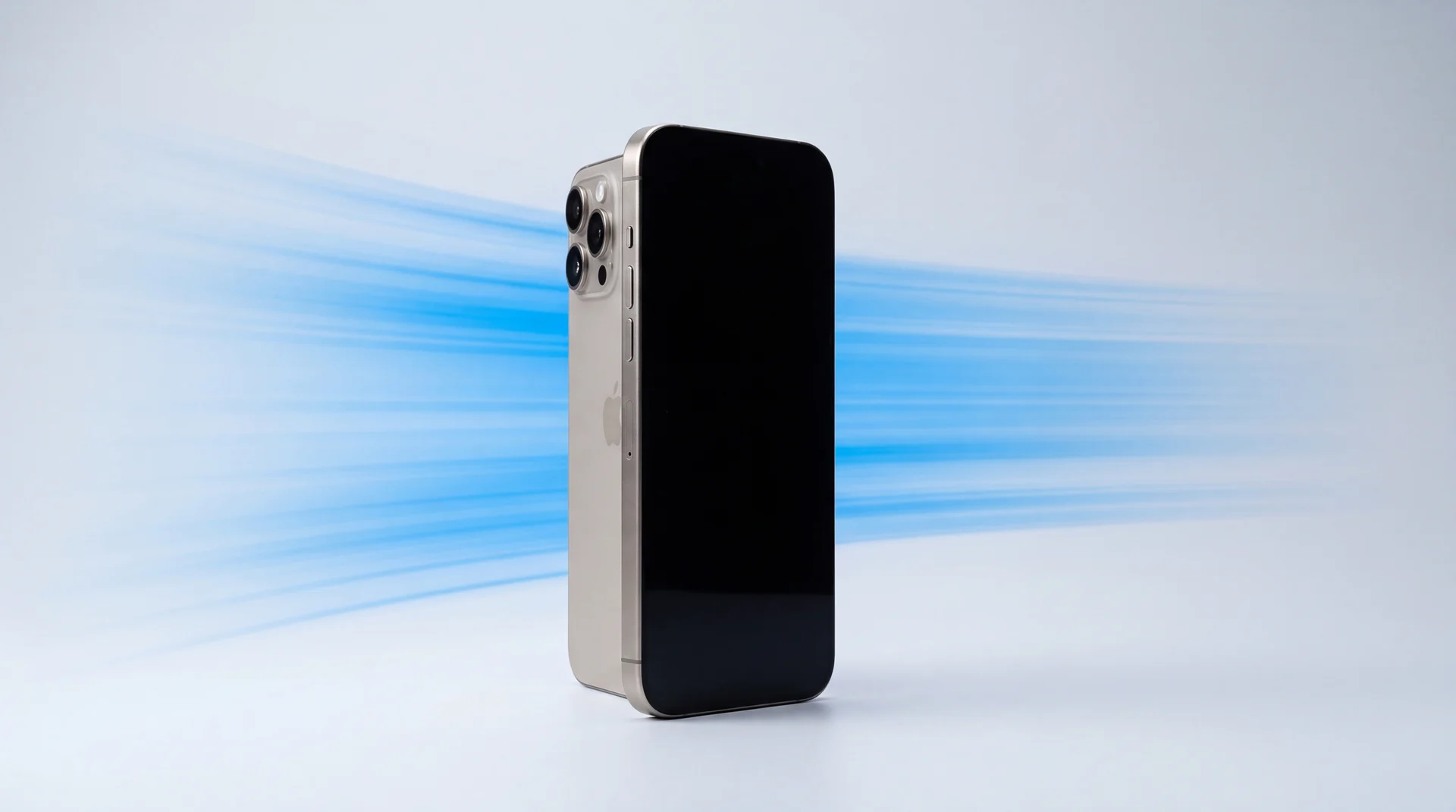
The short answer: most slow iPhones are not worn out. The usual causes are near-full storage, a tired battery quietly throttling the chip, heat, or an out-of-date iOS. Work through the free fixes below before you spend anything. If it is still dragging afterwards, we will tell you honestly whether a cheap repair or an upgrade makes more sense.
Why your iPhone feels slow
A phone that opens apps with a lag, stutters when you scroll, or takes an age to load the camera is almost never a chip that has "worn out". It is usually one of a handful of everyday causes, and most of them cost nothing to put right.
Storage is nearly full
The most common culprit by a mile. iOS needs free space to shuffle files, cache and updates around. Run it to the last megabyte and everything crawls.
A tired battery is throttling it
As a battery ages, iOS can quietly cap how hard the processor runs to stop the phone shutting down. That is felt as lag, and a new battery removes it.
It is running hot (or cold)
Too hot or too cold and the phone deliberately slows down to protect itself. A phone left in a hot car will feel sluggish until it cools.
iOS or an app is out of date
Updates carry performance fixes, and an old app on a current iOS can misbehave and drag the whole phone down with it.
The free fixes, in order
Try these top to bottom. The first few take seconds, and together they solve the large majority of slow iPhones without any parts or money changing hands.
- 1
Restart it properly
The quickest fix and the one people skip. Power it right off, wait ten seconds, then turn it back on. It clears out memory and stops a stuck background process dragging everything down.
- 2
Free up some storage
This is the big one. A nearly-full phone slows to a crawl, so give it some genuine breathing room. Go to Settings > General > iPhone Storage to see what is eating the space, clear old videos and forgotten downloads, and offload apps you do not use, which frees the app but keeps its data. Leave it real headroom rather than running it to the last megabyte.
- 3
Update iOS and your apps
Updates fix performance bugs as well as security holes, and an out-of-date app on a current iOS can misbehave. Do Settings > General > Software Update for the system, and let the App Store update your apps. Best done on Wi-Fi with the phone on charge.
- 4
Let it reach a normal temperature
iPhones slow themselves down when they are too hot or too cold. Apple designs them for an ambient range of 0°C to 35°C. If it has been in a hot car or in direct sun, take it out of its case and let it cool in the shade before you judge how fast it is.
- 5
Trim Background App Refresh
Under Settings > General > Background App Refresh, apps top themselves up in the background. Turning off the ones that do not need it, or setting it to Wi-Fi only, eases the load. Be honest about the gain: this helps battery and data more than raw speed, but on a busy phone every bit helps.
Myth worth dropping: swiping every app closed does not speed your phone up. Apple's own guidance is that you should only close an app if it is unresponsive, because a suspended app uses almost nothing, while a closed one has to cold-start next time, which is slower and burns more power. Force-quit an app only when it has genuinely frozen.
Still slow? It might be the battery
If the free fixes have not done it, this is the next thing to check, and it is the one most people miss. iOS has a feature called performance management. As a battery chemically ages it cannot always deliver full power on demand, so to stop the phone shutting down unexpectedly, iOS quietly caps how hard the processor is allowed to run. You feel that as slower app launches and juddery scrolling. It only kicks in when a battery needs it, and a new battery removes it completely - the phone goes back to full speed.
To see where you stand, go to Settings > Battery > Battery Health (it is called "Battery Health & Charging" on iPhone 14 and earlier). Two things matter there: Maximum Capacity, a percentage of the original, and Peak Performance Capability. If it reads "Your battery is currently supporting normal peak performance", nothing is being throttled. If it tells you performance management has been applied, or that your battery's health is significantly degraded, a fresh battery is the fix. Those are Apple's own words on the Battery Health screen, and they are a better signal than any single capacity number.
Worked example: iPhone 13
Real mendmyi prices, updated automatically
New battery fitted
£86
removes the throttling
Or a refurbished one from
£296
in our shop
Our honest take: if the only thing wrong is a tired battery, £86 to make a phone you like feel new again is the easy call. If it is failing in other ways too, that is when a refurbished upgrade with a fresh battery and a 12-month warranty starts to make more sense. We will tell you which.
Worth saying: a new battery fixes the speed, but looking after it keeps it that way. Our guide to making an iPhone battery last longer covers the habits that slow the wear down.
Is your iPhone simply too old?
There is a point where no amount of tidying up will help, and it is tied to updates. If your iPhone still gets new iOS versions it has years left in it. If it has dropped off the list, that is the natural time to move on.
Supported by iOS 26
Checked against Apple's iOS 26 compatibility list, 31 August 2026.
No longer supported
The newest models to drop off are the iPhone XS, XS Max and XR. On one of these? Selling or trading in usually beats pouring money in.
From the workbench: when we would stop tinkering
We would rather send you home having fixed it for free than sell you something you do not need. If a restart, a proper storage clear-out and an update get your phone flying again, brilliant, that is the job done. A fresh battery is the next honest step when the health is low.
But we will also tell you when to stop. When an iPhone is off Apple's update list, choked for storage on a small model, and slowing down on an old battery all at once, throwing parts at it is throwing good money after bad. At that point a refurbished upgrade is the better spend, and we will say so rather than take the repair.
Not sure which camp your phone is in? That is exactly what our free diagnostic is for. We check it over, tell you what is actually slowing it down, and give you a straight answer before you commit to anything.
If it really is past it, your options
Whichever way you go, there is a sensible route, and we will tell you honestly which one fits your phone.
Fit a new battery
If Battery Health is low and the phone is otherwise good, a fresh battery is the cheapest fix and often the only one you need. Fixed written quote first, most done the same day, 12 months warranty on the parts we fit.
See iPhone repair pricesSell it to us
Had enough of it, even a slow or ageing one? We buy phones outright. Tell us the model and condition for a clear quote, get paid by bank transfer, and let us handle wiping and reselling it.
Get a price for your phoneTrade up to a refurbished one
Ready for something quicker? Put the value of your old phone towards a professionally refurbished upgrade from our shop and pay less than buying outright. You walk out with a faster device and a 12-month warranty.
Browse refurbished phonesUpgrading? We move everything across for you
The part people dread about a faster phone is setting it up. When you buy or trade in with us, we do it in store: your photos, messages, apps and accounts moved over, the new phone signed in and ready, the old one wiped. You walk out with a phone that already feels like yours, and it is genuinely quick again.
The bottom line
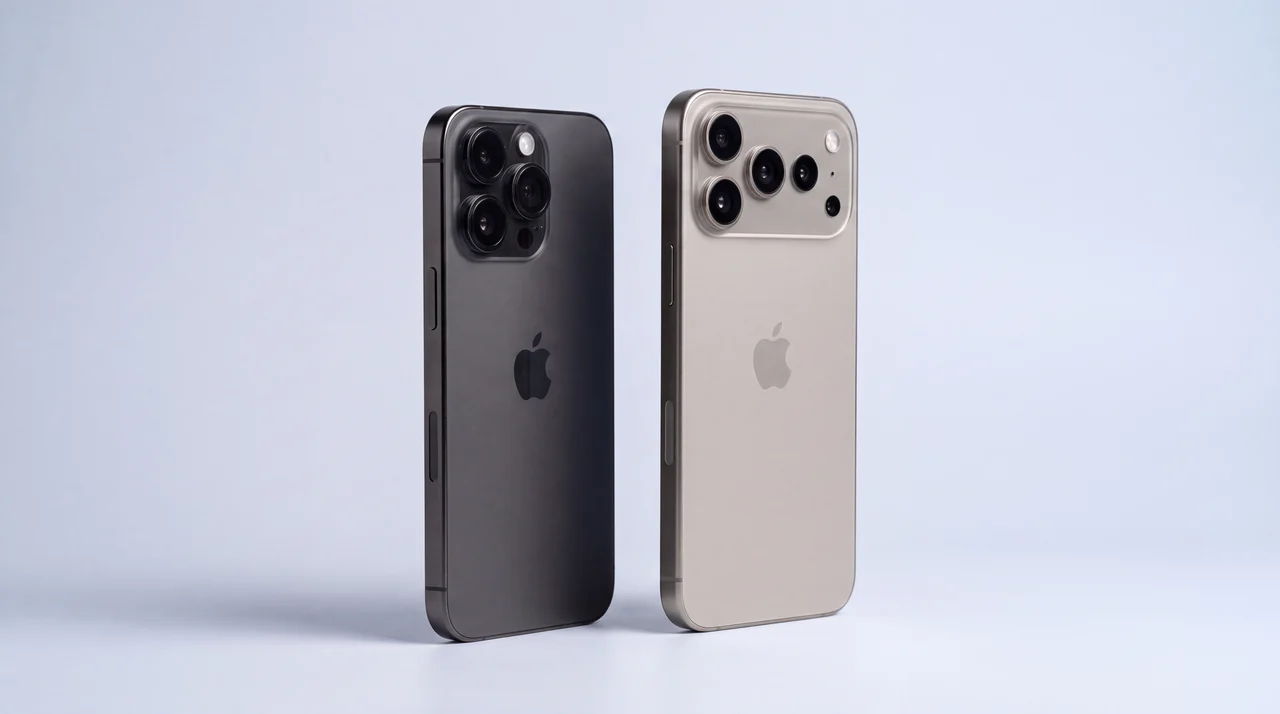
A slow iPhone is usually fixable, and usually for free. Restart it, clear some storage, update it, and let it cool, and most phones perk right back up. If it still drags, check Battery Health, because a tired battery quietly throttles the chip and a cheap replacement brings the speed straight back. Only when a phone is old, unsupported and failing in several ways is it worth replacing, and even then you can sell it to us or trade it in and let us set the new one up. Not sure where yours sits? Bring it in for a free diagnostic and you will get a straight answer before you spend a penny.
Slow iPhone: your questions answered
Why has my iPhone suddenly got so slow?
A sudden slowdown usually has a simple cause: the storage has filled up, the phone is hot, an update is mid-install, or a single app has misbehaved. Restart it, check Settings > General > iPhone Storage for free space, and give it a few minutes to cool and finish any updates. Most sudden slowdowns clear up without spending a penny.
Does a worn battery make an iPhone slow?
It can. As a battery ages, iOS may cap how hard the processor runs to stop the phone shutting down unexpectedly, which shows up as lag and slower app launches. Check Settings > Battery > Battery Health: if Maximum Capacity has dropped well down, or it says performance management has been applied, a new battery removes the throttling and restores full speed.
How do I check my iPhone Battery Health?
Go to Settings > Battery > Battery Health (called 'Battery Health & Charging' on iPhone 14 and earlier). You will see Maximum Capacity as a percentage and a Peak Performance Capability status. 'Your battery is currently supporting normal peak performance' means nothing is being throttled. Apple does not publish a replace-at-this-number threshold. What it does say is that iPhone 14 and earlier are designed to keep 80% of their original capacity at 500 complete charge cycles, and iPhone 15 models at 1,000, and that when the screen tells you your battery's health is significantly degraded, it is worth replacing.
Should I close all my apps to speed up my iPhone?
No. Apple advises against habitually force-quitting apps. A suspended app uses almost no resources, but a closed one has to cold-start next time, which is slower and uses more power. Only swipe an app away when it has actually frozen.
Will my iPhone still get iOS updates?
iOS 26 supports iPhone 11 and later, plus the iPhone SE from the second generation. The newest models to drop off the update list are the iPhone XS, XS Max and XR. If your iPhone still gets updates it has plenty of life left and is worth maintaining; if it does not, that is the natural point to upgrade.
Is it worth speeding up an old iPhone or just replacing it?
Work through the free fixes first, they cost nothing and often solve it. If it still drags and Battery Health is low, a new battery is a cheap way to revive a phone you otherwise like. Only when a phone is off the update list, storage-choked and failing in several ways does replacing become the better spend. We will give you an honest steer either way.
Still slow after all that?
Bring it in for a free diagnostic. We will find what is actually slowing it down and give you an honest steer, with a fixed written quote and our 12-month warranty on anything we fit.