


The short answer: refurbished tech is a genuinely good buy, the risk is the seller, not the fact it is second-hand. A seller you can trust makes trust checkable: a real written warranty, proof the device was tested, honest condition in plain English with real photos, a clear returns policy, and reviews that read like actual people. Get those five, and refurbished is one of the smartest ways to buy.
The device is fine. It is the seller you are really buying.
Most worries about refurbished are worries in disguise about who you are buying from. UK owners tell researchers they hold back over a shorter lifespan (48%), reliability (41%) and performance next to new (37%) (YouGov, May 2024). Every one of those fears is answered by the same thing: a seller who tests properly, grades honestly and warranties the result.
There is good research to back that instinct. When people weigh up a used device, they judge the trust signals first, reputation, warranty, quality, price, before they get to the specs (peer-reviewed study, Elsevier, December 2024). In other words, the smart move is not to obsess over the model, it is to vet the shop.
So here are the five signals that separate a seller worth buying from, from one to walk away from, with the evidence behind each. A quick note on that evidence: several of the strongest figures below come from a single UK survey commissioned by a refurbishment firm in late 2025. It is reputable and widely reported, but it measures what people say gives them confidence, not sales, so treat it as a strong steer rather than gospel.
Five signs of a seller you can trust
Run any refurbished seller past these five. The more they can show you up front, without you having to ask twice, the safer your money is.
A real warranty, in writing
70% of UK buyers say a warranty makes them more confident buying refurbished (CCS Insight survey, Q4 2025), and 41% name warranties as a reason to consider refurbished at all (YouGov, May 2024).
This is the single biggest signal, and it is the easiest to check. A trustworthy seller stands behind what they sell with a clear, written warranty, not a vague "if anything goes wrong, give us a shout". If the length is hard to find, or it only covers the screen, or it is really a third-party insurance upsell, treat that as your answer.
How we do it: Every device we sell comes with a 12 months warranty, and so do any parts we fit in a repair. It is a shop standing behind the kit, which is exactly what a private seller on a marketplace cannot give you.
Proof it was actually tested
"Confidence it was tested before resale" is the top trust-specific signal buyers want (43%, YouGov 2024). More than half want a visible battery guarantee or technical check, and half want to see a grading report (CCS Insight, Q4 2025).
Refurbished should mean checked, not just wiped and reboxed. A good seller can tell you what they test, the battery, the cameras, Face ID or the fingerprint reader, the buttons, charging, the lot, and will show you the condition honestly rather than hiding it behind one flattering photo.
How we do it: Every device is tested with our free diagnostics before it goes on sale, and we log the results: a dated record of what works and what does not, the battery health reading, and photos of the actual unit. That gives you an honest picture before you buy, and it means both sides can point to the same record if anything is ever questioned later, something a private seller with no paper trail cannot offer. We repair in-house too, so the same bench that fixes phones all day is the one that checks the ones we sell.
Plain English, not grading jargon
Here is the trap: 97% of people read "Good" as the MOST visibly worn grade, yet the industry ranks Good above Fair (CCS Insight, Q4 2025). The label can mean the opposite of what you assume.
Grades like Excellent, Good and Fair only help if you know what each one means, and most people do not. A seller you can trust describes condition in words you can picture, "light marks you will not notice in a case", and backs it with a photo of the real unit, so the grade is a summary, not a substitute for the truth.
How we do it: We grade honestly and describe condition in plain English, with real photos. If you want the full breakdown, we wrote a guide to exactly what our grades mean. Read: what refurbished grades really mean
A clear returns policy
56% of buyers say a clear returns policy makes them more likely to buy refurbished, and 64% expect at least a 30-day window (CCS Insight, Q4 2025).
A seller who is confident in what they sell is happy to take it back. If returns are buried, time-limited to a few days, or "store credit only", that tells you how sure they are of their own stock. This matters even more online, where you cannot hold the device before you buy.
How we do it: We offer 30-day returns and free UK delivery, so you can buy, check it over at home, and change your mind if it is not right.
Reviews that read like real people
Perhaps counter-intuitively, a perfect 5.0 converts worse than roughly 4.2 to 4.5 stars, and most shoppers deliberately read the negative reviews first (Spiegel Research Center / PowerReviews, US data, around 2015 to 2017, so directional rather than UK-specific).
A spotless five-star record with a handful of glowing one-liners is a warning, not a reassurance. Genuine feedback has the odd grumble and, more tellingly, a seller replying and putting things right. Read the middling reviews: how a shop handles the rare problem tells you more than the praise does.
How we do it: We would rather you read the honest reviews and see how we respond than trust a suspiciously perfect score.
And the quiet worry: is my data safe?
Two things sit under the surface of every refurbished purchase. First, could the last owner's data still be on it, and second, could yours ever end up somewhere it should not. A serious seller closes both. Devices are securely wiped before resale, and the handset is checked against the blocked and lost or stolen registers so you are not sold something that will die on you weeks later.
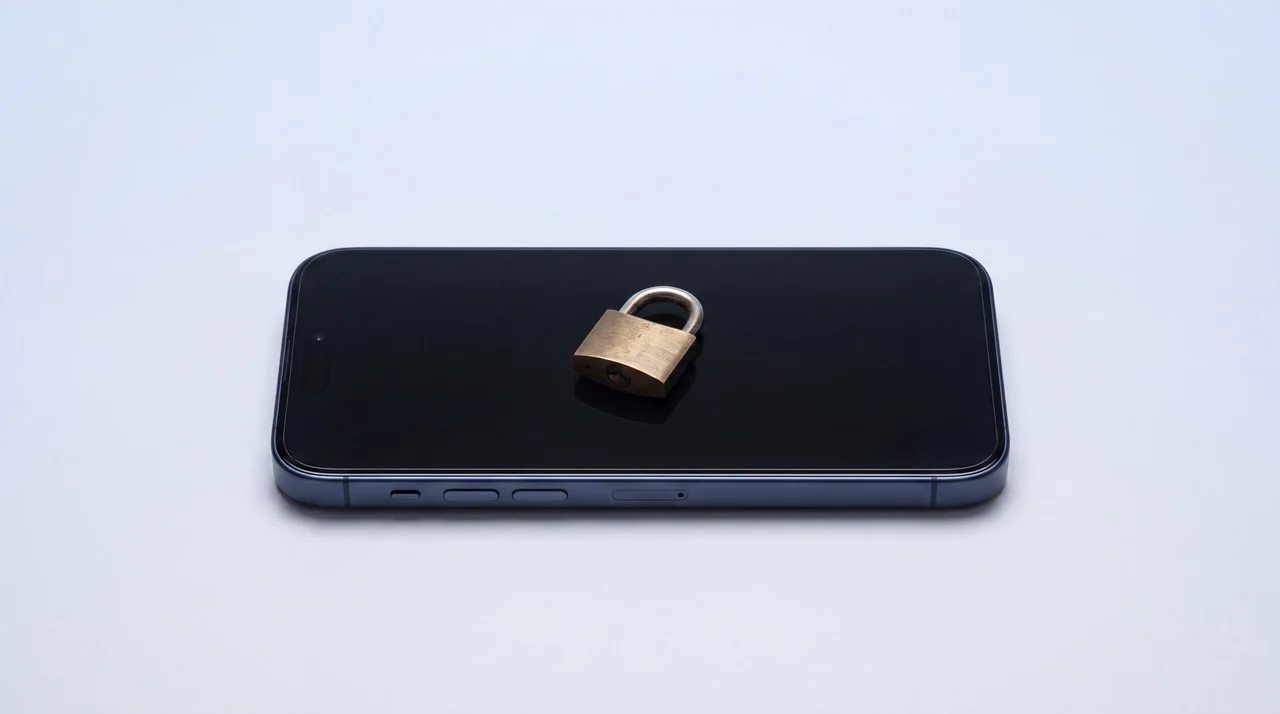
At mendmyi this is just standard practice, not a checkbox: we securely wipe every device, and we run IMEI and blocked-status checks before anything goes on sale. There is no external survey we can point to that puts a number on how much this matters to buyers, so we will not pretend there is, it is simply what a responsible shop should do, and what we do. If you are selling us your old phone, we wipe that too, and we can show you how to wipe it yourself first if you would rather. Buying a phone from us works the same way: we move your data across and set the new one up free, and help afterwards if anything plays up.
Why a private "bargain" can cost you everything
All five signals above assume you are buying from a business. A stranger on a marketplace is a different game, because the biggest danger is completely invisible when you are stood there holding the phone. It works perfectly the day you buy it, makes calls, browses the web, looks flawless. Then, often two to four weeks later, it loses all signal and turns into a very expensive paperweight.
Here is the trap. A dishonest seller hands over a phone that genuinely works, takes your cash, and then reports it lost or stolen to their network or insurer, sometimes claiming on the insurance too. That report blocks the phone's IMEI, the serial number burned into the hardware, across every UK network. The block follows the handset, not the SIM, so a new SIM will not save it, and the seller is long gone with your money.
There is a second version. If the phone is still on a contract or finance agreement, the seller does not actually own it yet, the network or finance company does, until it is paid off. They had no right to sell it to you at all, and if they stop paying, the handset gets blocked and you are the one left with a brick.
And the law is not on your side
Buying a phone you know or believe to be stolen is a criminal offence, handling stolen goods. Just as important, you cannot gain legal ownership of a phone the seller never owned, whether it is stolen or still on finance, so the rightful owner or the network can reclaim it and you have no right to keep it. Either way you can lose both the handset and the money you paid, with little or no comeback against a private seller.
This is the one risk that vanishes the moment you buy from a shop. Every device we sell is blacklist-checked before it goes on sale, and you have a real, registered business standing behind it, not a stranger who has blocked your number. If you are set on a private sale anyway, do not skip the checks, our guide to checking a refurbished phone walks you through the IMEI check that catches this before you pay.
Your legal rights are the same as buying new
This is the reassurance most people do not realise they already have. When you buy from a trader, the Consumer Rights Act 2015 applies to second-hand and refurbished goods just as it does to new. Your rights do not shrink because the device has had a previous life.
- It must be as described, fit for purpose and of satisfactory quality, taking its age and price into account. Honest wear on a "Good" phone is fine, a fault that was not disclosed is not.
- You get 30 days to reject a faulty item for a full refund, the short-term right to reject, if it turns out not to be of satisfactory quality.
- A fault in the first six months is presumed to have been there at sale, so it is on the seller to prove otherwise, not on you.
- Buying online adds a 14-day cooling-off period under the Consumer Contracts Regulations 2013, so you can change your mind with no reason at all, on top of everything above.
That third point is the one worth dwelling on. Within the first six months the law makes the seller prove a fault was not there at sale, not the other way round. A shop that tested and logged your device at the point of sale can show exactly that, the record of what worked, the battery health, the photos of the actual unit. A private seller has nothing to show, and neither do you, which is how an honest dispute becomes your word against a stranger who has stopped replying.
Sources: gov.uk, Which? and Business Companion / Trading Standards. The catch is simple: these rights only exist against a trader. Buy privately from a stranger on a marketplace and most of this falls away, which is the strongest argument there is for buying refurbished from a real shop.
Trust you can price up
Right now we have 11 refurbished phones in stock, from £107, every one tested, honestly graded, securely wiped and backed by our 12 months warranty. That figure updates on its own as stock moves, so it is always the real starting price, not a headline.
Got an old device to move on? Sell it, or trade it in towards your upgrade, we tell you what it is worth up front, and if you buy from us we will move your photos, messages and apps across and set the new one up ready to go.
The bottom line
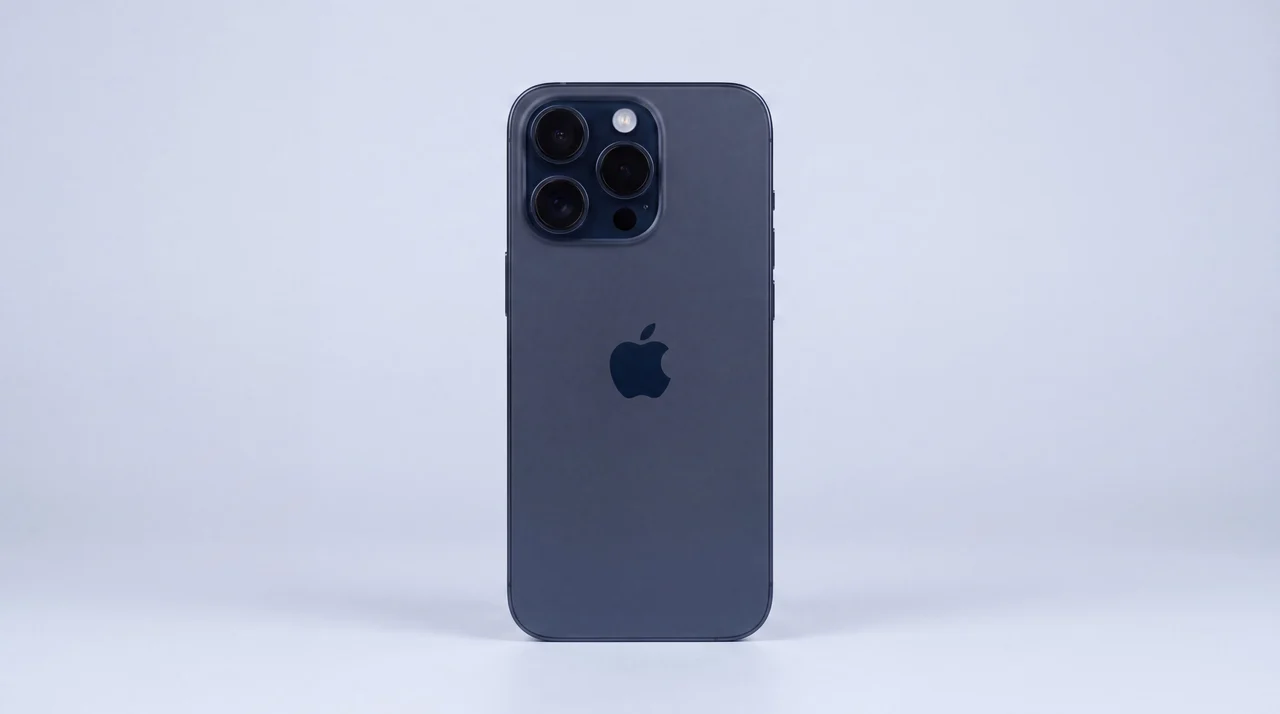
Buying refurbished is not a gamble, it is a judgement about a seller, and that judgement is easy once you know what to look for. A real warranty, proof it was tested, honest grades in plain English, a clear returns policy and reviews that read like real people: a shop that gives you all five is telling you it has nothing to hide. Your legal rights back you up on top. That is the whole idea behind how we do refurbished at mendmyi, repair, sell and buy under one roof, so the device you take home is one you can trust from day one.
Buying refurbished with confidence: your questions answered
Is refurbished tech reliable, or am I taking a risk?
A properly refurbished device from a reputable seller is reliable. The research shows people worry most about lifespan and reliability, but those fears are answered by testing, honest grading and a warranty, not by the fact the device is second-hand. The risk lives in the seller, not the category: buy from a shop that tests, grades honestly and warranties the result, and refurbished is one of the best-value ways to buy.
What warranty should a refurbished device come with?
A clear, written warranty from the seller themselves, not a vague promise or a third-party insurance upsell. A warranty is the single biggest confidence signal for UK buyers, so a seller that hides the length, or only covers part of the device, is telling you something. At mendmyi every device comes with a 12-month warranty, and so do any parts we fit.
What do the refurbished grades actually mean?
Grades like Excellent, Good and Fair describe cosmetic condition, not how well the device works, everything we sell is fully working regardless of grade. The catch is that the labels are not intuitive: most people assume "Good" is the most worn grade when the industry ranks it above Fair. That is why we describe condition in plain English with real photos. We have a full guide to what each grade means on our blog.
Can I return a refurbished device if I change my mind?
From a good seller, yes. A clear returns policy is a top trust signal, and buying online adds a legal 14-day cooling-off period on top. We offer 30-day returns and free UK delivery, so you can buy, check it over at home and send it back if it is not right, no drama.
Do I have the same legal rights buying second-hand?
Yes, as long as you buy from a trader rather than a private individual. The Consumer Rights Act 2015 says goods must be as described, fit for purpose and of satisfactory quality for their age and price. You get 30 days to reject a faulty item for a full refund, and any fault in the first six months is presumed to have been there at sale, so the burden is on the seller. Buy privately and most of that protection disappears.
Is my data safe when I buy or sell a refurbished device?
It should be, both ways. A responsible seller securely wipes every device before resale and checks it against the blocked and stolen registers, so the last owner is gone and the handset is clean. We do both as standard. If you sell your old device to us we wipe that too, and we are happy to show you how to wipe it yourself first if you prefer.
Refurbished tech you can actually trust
Tested, honestly graded, securely wiped and backed by our 12 months warranty, with free UK delivery, 30-day returns and your old device welcome in part-exchange.